When a tow truck arrives, not every vehicle can be hooked and rolled away with two wheels on the ground. Owners of all-wheel-drive and four-wheel-drive vehicles in particular need to think carefully about how their car is moved. Using the wrong method can cause expensive drivetrain damage that only shows up weeks later. So how do you know when flatbed towing is genuinely required rather than simply a preference?
How Traditional Towing Differs From Flatbed
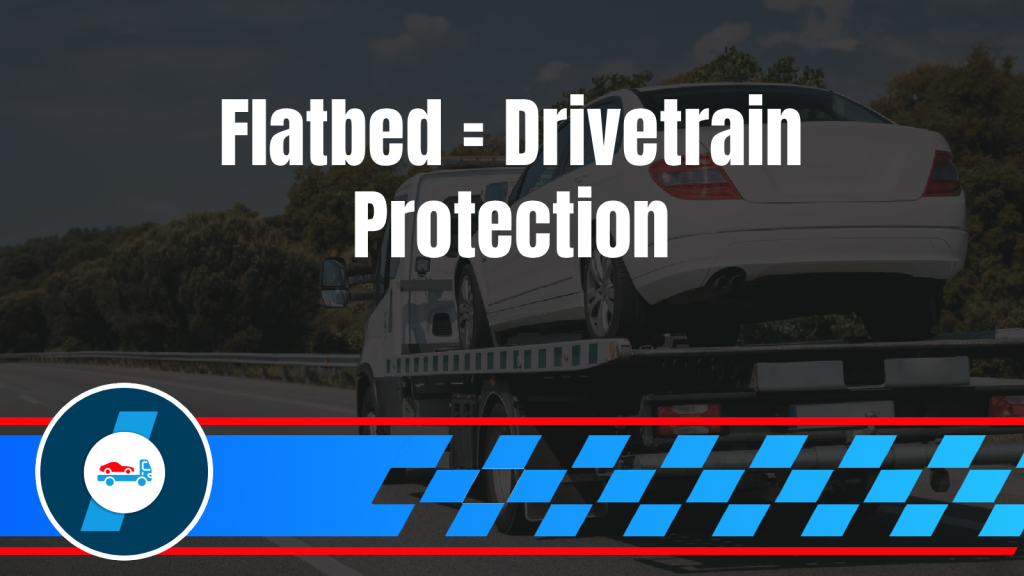
A conventional wheel-lift tow raises two wheels while the other two roll along the road. That works fine for many front- or rear-wheel-drive cars over short distances. A flatbed, by contrast, lifts the entire vehicle onto a level deck so that no wheels turn at all. The distinction matters most for vehicles where all four wheels are mechanically linked, and it is the reason the same breakdown can call for very different equipment.
Why AWD and 4WD Vehicles Are Different
All-wheel and four-wheel-drive systems connect the front and rear axles through differentials and, in many designs, a transfer case. When two wheels spin and two stay still, those components can be forced to work in ways they were never designed for, generating heat and wear. Manufacturers of these vehicles frequently specify that all four wheels stay off the ground during transport, which is why flatbed towing is usually the safe answer. For Kingston drivers with popular crossovers and SUVs, that guidance applies more often than people expect.
Signs Your Car Should Ride on a Flatbed
Certain situations point clearly toward flatbed service rather than a wheel-lift:
- Your vehicle is all-wheel or four-wheel drive.
- It sits low to the ground, like a sports car or lowered sedan.
- The transmission will not shift into neutral.
- Two or more wheels are damaged or refuse to roll.
- You are moving a classic, modified, or high-value vehicle.
If the problem is only a flat tire, though, you may not need a tow at all, because a roadside tire change service can often get you rolling again in minutes.
When a Simpler Fix Beats a Tow
It is worth pausing before assuming the worst. A single flat, a dead battery, or an empty tank does not require flatbed transport, and treating it that way costs time and money. A quick roadside repair may be all you need to reach home or a shop safely. The key is matching the service to the actual problem, which is exactly why describing your situation clearly when you call makes such a difference.
The Cost of Getting It Wrong
Choosing the wrong towing method to save a few dollars can backfire badly. Improperly towing an AWD vehicle risks damage to the transmission, differentials, or transfer case, repairs that dwarf any difference between tow types. Along corridors like the 401 near Kingston, where longer distances are common, that risk only multiplies. When in doubt, always err toward the method that keeps every wheel still.
Move Your Vehicle the Right Way in Kingston
Whether you simply need a flat handled on the shoulder or you are unsure how your AWD vehicle should be transported, our team can advise and help. Getting it right the first time protects both your drivetrain and your wallet. Serving Kingston, Bath, and the surrounding highways, we are ready when you call. Reach us at (613) 777-5664 for a fast tire change service or properly equipped transport.