Owners of lowered, modified, and custom vehicles know the quiet anxiety of watching a tow truck approach. Will the driver understand that a standard hook-and-chain lift could tear away a front lip, scrape a custom exhaust, or bend a control arm? For enthusiasts around Kingston who have invested time and money into their builds, how a car gets loaded is not a small detail; it is the whole ballgame. Flatbed towing exists precisely to answer that worry, and understanding why can spare you an expensive heartbreak.
Why Low Clearance Changes Everything
A car that sits two or three inches off the pavement introduces problems a normal sedan never faces. Approach angles that a stock vehicle clears without thinking can catch a front splitter or side skirt on a standard ramp. Even the transition from road to truck deck becomes a pinch point where bumpers and undertrays are at risk. Recognizing these hazards before loading begins is the mark of an operator who has handled custom vehicles before. On the ramp of a downtown Kingston parking garage or a steep suburban driveway, that awareness stops damage before it can start.
How a Flatbed Protects a Modified Build
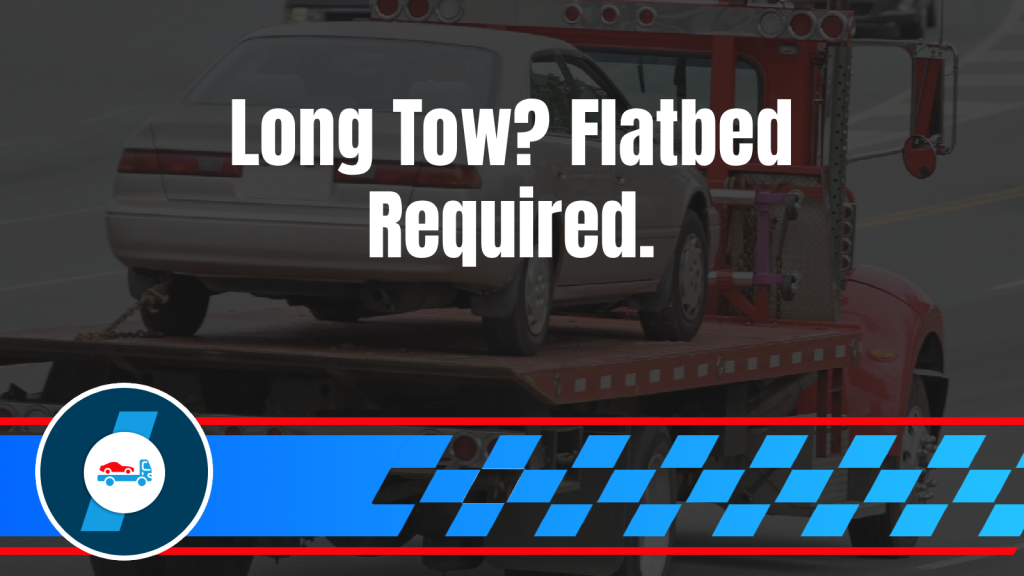
A flatbed lowers its deck to a shallow angle so the vehicle can be winched or driven on gently, keeping delicate bodywork clear of the ground. With flatbed towing, all four wheels rest on a single flat surface, eliminating the drivetrain strain that wheel-lift methods can cause. Soft straps and wheel nets replace chains, so nothing bites into paint or forged wheels. For a lowered or exotic build, this is the difference between arriving intact and arriving damaged.
Low-clearance vehicles that benefit most from flatbed handling include:
- Lowered coupes and sedans on coilovers or air suspension
- Sports cars with aggressive front splitters and side skirts
- Classic restorations where original panels are irreplaceable
- Track builds with wide tires and minimal fender clearance
- Custom trucks and show vehicles with delicate underbody work
Extra Care Beyond the Loading Ramp
Loading is only part of the job; securing the vehicle matters just as much. Approved tie-down points, wheel straps, and careful tensioning keep a modified car from shifting during transport along the 401 or through Kingston’s streets. A thoughtful operator will also plan the route to avoid steep driveways and speed bumps that could bottom out a low car on arrival. These small courtesies protect a build that its owner has poured genuine passion into. Rushing any of these steps is how expensive mistakes happen, which is why an unhurried, methodical approach is worth insisting on.
Roadside Work on Lowered Cars, Too
The same clearance challenge shows up during roadside repairs, not just transport. Jacking a slammed car to perform a tire change service requires the right lift points and padded equipment so the pinch welds and side skirts survive intact. An operator used to modified vehicles knows to bring low-profile jacks and to work patiently. That experience turns a nerve-wracking situation into a routine one.
Questions Worth Asking When You Book
A quick conversation before dispatch tells you a lot about whether an operator understands modified vehicles. Ask whether they run a flatbed, what tie-down method they use, and whether they have loaded lowered cars before. A confident, specific answer is reassuring, while vague responses are a signal to keep looking. Around Kingston, enthusiasts often share which operators treat their builds with the respect they expect.
Trust Your Custom Vehicle to Careful Hands
Your build deserves better than a rushed, one-size-fits-all approach. Our Kingston operators handle lowered, modified, and collectible vehicles with the equipment and patience they demand, whether you need transport or a careful roadside tire change service. We offer upfront pricing and damage-free handling every time. Reach us around the clock at (613) 777-5664 and load your pride and joy with confidence.